
Table of Contents
When Ronda asked her kids to clean up before holiday decorating could begin, she expected a little pushback. What she didn’t expect was total silence. Her five-year-old had slipped down the hall with a dry erase marker and a storm of feelings that needed somewhere to go.
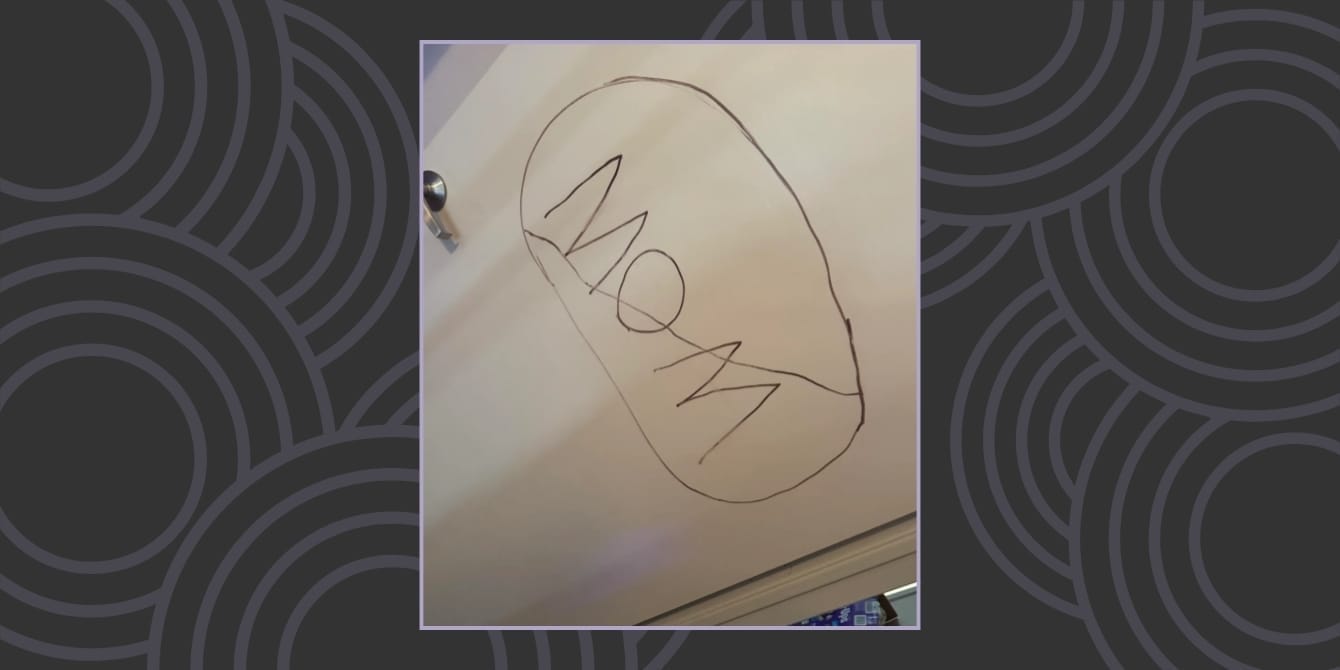
A little while later, she walked past his bedroom and froze. On the door, in bold looping strokes, was a giant circle with one unmistakable word inside: MOM. A thick line slashed through it, delivered with the intensity only a furious kindergartener can muster.
The photo spread quickly online. Hundreds of parents felt the same mix of surprise, empathy, and reluctant laughter. The moment was instantly familiar.
Kid got mad and wrote on the door to his room
byu/YogurtclosetCute7492 inCleaningTips
Why this hit home for so many parents
Kids this age feel injustice with their whole bodies. A request to clean up, a transition they weren’t ready for, the end of playtime: they experience it all at full volume. Without the words for what’s happening inside, they rely on symbols, drawings, and big gestures that capture their frustration in the clearest way they know how.
As soon as the post went up, parents began sharing their own childhood masterpieces of frustration, proof that dramatic declarations have been a rite of passage for generations.
- “My son got mad at me and asked me what my least favorite color was. Then he drew of a picture of me dressed in that color.” — Economy_Discipline78
- “In a fit of preteen rage, my sister wrote “I hate mom” really small on the back wall of her closet. My mom found it while she was redecorating our rooms a few years later, and she circled it in paint. We’re in our late 20s and it’s still there.” — s-r-g-l
- “I remember when we were little, and my mom got mad at my brother he made a Mom for Sale sign and stuck it on the window.” — missyyc
- “I made a wanted poster, dead or alive, to arrest the woman (my mother) who was “mean to children and their property”. Neither of us can remember what she did that set me off. She still has the poster.” — RJean83
These stories came from every stage of parenting and every generation. The details differed. The emotional truth stayed the same. Kids often save their biggest expressions for the people who feel safest.
Related: Toddler says she’s ‘sad’ at bedtime—nothing prepares mom for reason why
How parents can make sense of these moments
Child development experts note that dramatic gestures are a very common way for young kids to communicate. They aren’t acts of cruelty. They’re attempts to express overwhelm when words fall short.
A few grounding steps can help parents move through these moments:
- Stay as calm as possible. Your steadiness shows them that big feelings aren’t dangerous.
- Hold a simple boundary. “Markers stay on paper” keeps expectations clear without escalating the moment.
- Repair when the intensity passes. A hug, a conversation, or a quiet reset goes a long way.
- Help them name what they felt. “You were frustrated. You didn’t want to stop playing. That was hard.”
The shift that happens once the moment is over
Ronda admitted she was livid at first. She worried about the marker on the door. She felt stung by the message. But after reading the comments, she found herself laughing. Parents reminded her that this behavior is incredibly common, and that it often becomes something gentler in memory.
The “No Moms Allowed” signs. The rage drawings. The dramatic declarations. Years later, these moments rarely hold the heat they once carried. They become snapshots of kids learning independence and testing boundaries while still being deeply connected to the people they love.
Related: Giving tablets to toddlers linked to anger issues later in life, study shows
What stays long after the marker fades
The drawing on the door will disappear eventually. The story won’t. Parents connected with this moment because it captured the honesty of childhood in a way that felt chaotic and strangely tender. Kids show their biggest feelings loudly and creatively. The message might look harsh at first glance, but the meaning behind it often reveals something softer. They’re figuring out their world, their autonomy, and the language they need to navigate discomfort.
For families everywhere, this story became a reminder: a frustrating moment can turn into something else over time. It becomes proof that little kids feel everything fully, and that the adults raising them are doing the brave work of meeting those emotions with patience and perspective.